
What does OSHA actually require for handwashing?
The rule people misquote most is the general handwashing mandate. There isn't one. OSHA 1926.51(a)(1) requires an adequate supply of potable water at every place of employment, and 1926.51(c) sets toilet ratios: one facility for 20 workers or fewer, then a seat and urinal per 40 workers once you pass 20, dropping to one per 50 at 200 or more workers. Separately, 1926.51(f)(1) kicks in only when employees are applying paints, coatings, herbicides or insecticides, or working around similar contaminants. That's a specific trigger, not a blanket rule for every job site in Montebello. If your crew fits that description, handwashing station rental covers the gap. If you're running a general industry workplace rather than a construction site, the ratios shift to 1910.141(c)(1)(i) instead. Confusing the two citations is common, and it's worth checking which one applies to your job before you order equipment. A quick call to request a quote usually sorts it out faster than reading the regulation twice.
Do porta potties satisfy handwashing requirements on their own?
No. A portable toilet handles waste. It doesn't handle soap and water unless a sink is built in or paired alongside it. Under 29 CFR 1910.141(d)(2), washing facilities need soap and towels or a hand-drying device, and hand sanitizer does not satisfy that standard on its own. That's why most portable toilet rental orders in Montebello pair a standard porta potty rental with a separate sink unit, especially on food service or agricultural sites where contact with hands and food is constant. A portable sink rental gives you running water and soap dispensing without needing a hookup to the building. Some crews try to skate by with a hand sanitizer station rental instead, and that's fine as a supplement, but it won't cover a site where the washing standard actually applies. Farm operations doing hand labor fall under a different rule entirely: 1928.110 requires potable water, toilets and handwashing within a quarter mile walk, at one facility per 20 employees, which matters for anyone running farm and agricultural restrooms work near Montebello.
How many handwashing stations does my Montebello site need?
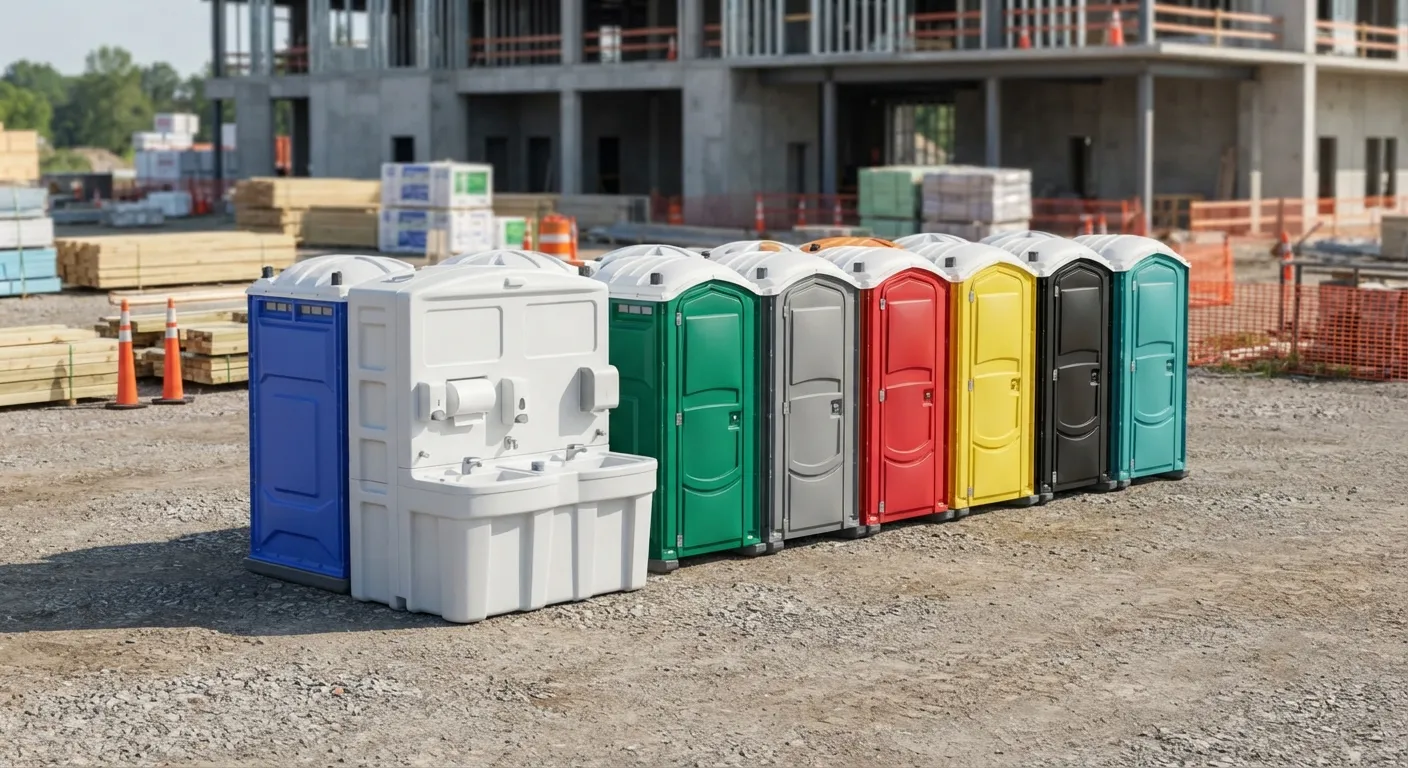
Count your peak crew size, then apply the same ratio logic as toilets. A 20-person crew needs one station at minimum; cross into 21 to 60 workers and you're looking at more units spaced around the site, not just tacked onto a single sink. ANSI/PSAI Z4.3 sets the standard service interval at once per week for up to 10 users over a 40-hour week, which is the baseline most septic pumping service routines follow for waste tanks, and it's a reasonable planning number for stations too if your crew count is small. Bigger sites, like a multi-week build near Pico Rivera 3.6 miles southeast or a longer job close to Monterey Park 3.7 miles northwest, usually need service more than once a week once crew size climbs. If you're not sure how many units you need across toilets and sinks combined, how many porta potties do I need walks through the math, and OSHA portable toilet requirements breaks down the ratio table in full.
Where should handwashing stations go on a job site?
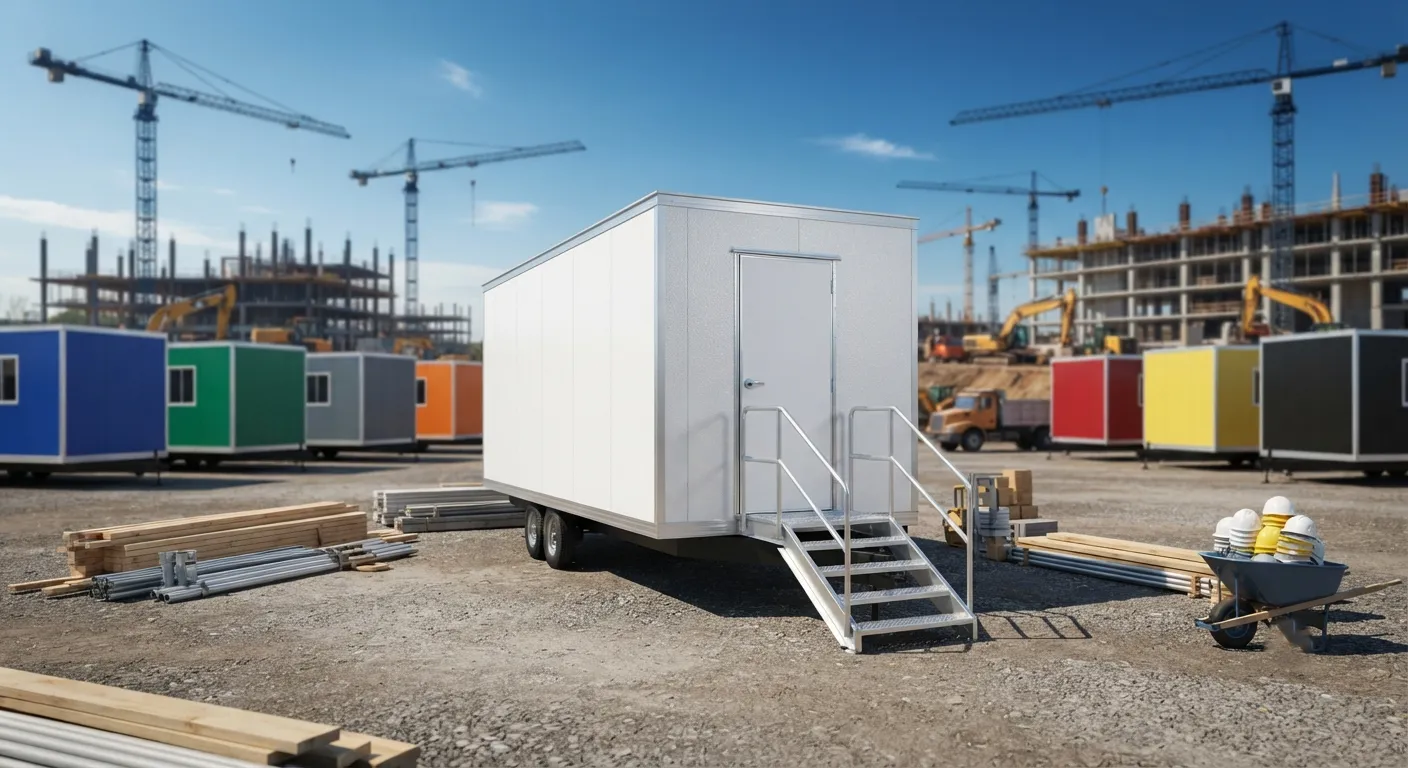
Close to the work, close to the toilets, and on stable ground. ADA Standards section 302.1 requires floor and ground surfaces to be stable, firm and slip resistant, which matters as much for the pad under a sink as it does for a toilet unit. If the site needs accessible placement, section 213.2 requires that at least 5 percent of clustered single-user units be accessible, with a minimum of one, and section 304.3.1 calls for a 60 inch turning circle nearby so a wheelchair user can actually maneuver. An ADA accessible porta potty paired with an accessible sink height, within the 48 inch maximum and 15 inch minimum forward reach range set by section 308.2.1, keeps a Montebello site compliant without guesswork. Don't tuck stations behind equipment or across a active work zone; OSHA 1926.25 also expects debris cleared from work areas, and a sink surrounded by scrap defeats the purpose. For general placement logic beyond just handwashing, the porta potty placement guide covers clearance, wind direction and service truck access, and it's worth reading before delivery day.
FAQ
Does a hand sanitizer station meet OSHA requirements?
Not by itself. Under 29 CFR 1910.141(d)(2), washing facilities need soap and towels or a hand-drying device, and sanitizer doesn't satisfy that. Use it as a supplement between full washes, not a replacement. Pair a hand sanitizer station rental with an actual sink for sites where the standard applies.
Can I rent a handwashing station without a porta potty?
Yes. Plenty of Montebello sites already have restrooms and just need extra sinks, especially food vendors and events. A portable sink rental sets up independently, no toilet required, and works well alongside a construction site services package or a standalone event order.
How often do handwashing stations need to be serviced?
ANSI/PSAI Z4.3 sets a baseline of one service visit weekly for up to 10 users over a 40 hour week. Bigger crews or longer jobs need more frequent refills of soap and water. Montebello Porta Pros schedules service based on your actual headcount, not a flat calendar.
Are handwashing stations required for events in Montebello?
If food is served or vendors handle cash and product, plan for handwashing access alongside restrooms. An event restroom rental or festival restroom rental order typically includes sink options. Check with the city on specific event permitting before finalizing counts.
What's the difference between construction and agricultural handwashing rules?
Construction sites follow OSHA 1926.51(c) for toilet ratios and 1926.51(a)(1) for potable water. Agricultural hand-labor operations follow 1928.110 instead, which requires facilities within a quarter mile walk at one per 20 employees. Check farm and agricultural restrooms for setups built around that rule.
Next step
Get a delivery date
Tell us the address, the dates and the headcount. We size the order and confirm the route.